

Add Row
Add Element
cropper
update
Global F & I Solutions  Powered by Global F & I Media 
update
Add Element
  • Home
  • Categories
    • used car financing rates
    • used car loan rates
    • finance rate on used car
    • best used car financing rates
    • used car financing best rates
    • used car with financing
    • used car financing
    • low interest rate on car loan
    • value of my used vehicle
    • how to refinance auto loan
    • used car loan average interest rate
    • used car loan percentage rate
    • second hand car 0 finance
    • how to calculate auto loan interest
    • what are auto loan interest rates
    • used car financing interest rates
    • used car loan percentage
    • used car loan interest rates
    • what is a good car loan rate
    • what are car loan rates
    • used car finance for sale
    • used car interest rates current
    • typical car loan length
    • common car loan terms
    • Extra News
July 03.2025
1 Minute Read

The Growing Trend of Multi-Brand Used Car Inventories at Franchise Dealerships

Did you know that over 60% of car buyers now consider multi-brand used car inventory when shopping at franchise dealerships? This shift is reshaping car sales and dealership strategies nationwide. As the automotive marketplace evolves, franchise dealerships are embracing this trend to expand their offerings and better meet customer expectations. The multi-brand used car inventory concept not only broadens vehicle selection but also enhances customer loyalty and profitability for dealerships.
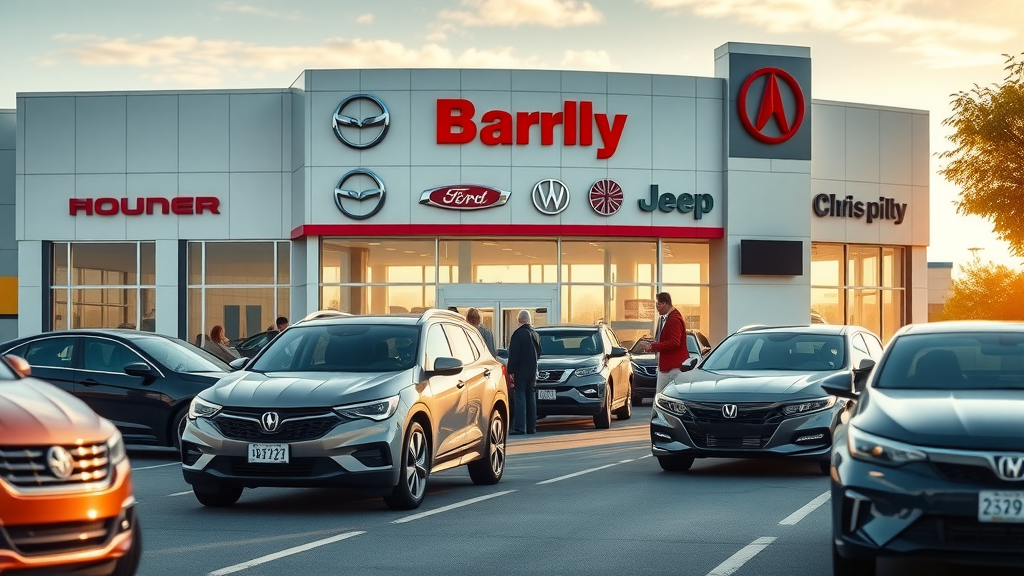
Multi-brand used car inventory at a vibrant dealership exterior with diverse car brand logos

Overview of Multi-Brand Used Car Inventory in Car Sales

The multi-brand used car inventory refers to the practice of franchise dealerships stocking used vehicles from several different manufacturers rather than limiting their stock to their own new car brand. This approach has gained significant importance as dealerships adapt to changing consumer preferences and supply chain realities. Traditionally, franchise dealerships focused mainly on their own brand’s vehicles; however, expanded multi-brand used inventories allow them to provide a wider variety of options, increasing appeal to a broader customer base.

Franchise dealerships are rapidly adapting to this trend by actively sourcing, certifying, and offering multi-brand used cars within their lots. This adaptation enriches the car buying experience by giving customers diversified choices under one roof, which simplifies the shopping process and allows for more tailored deals and financing options. Customers benefit from increased convenience and flexibility, while dealers gain new revenue streams through service contracts and repeat business.

  • Definition and significance of multi-brand used car inventory
  • How franchise dealerships are adapting to this trend
  • Impact on car buying experiences and customer choice
Mark May, of Advantage Warranty Group, explains, "Your best used inventory always comes from your current client database. Creating loyalty through multi-brand offerings is key to long-term success."

Why Franchise Dealerships Embrace Multi-Brand Used Car Inventory

Franchise dealerships are increasingly embracing multi-brand used car inventory for several strategic reasons that enhance their business resilience and customer relations. Firstly, by offering diverse vehicle options across various manufacturers, dealerships significantly expand their potential customer base. Buyers are not restricted to one brand, which is particularly valuable given the current challenges manufacturers face in allotting new car inventory.

Secondly, the ongoing constraints in manufacturer allocations make it necessary for dealerships to rely more on used car sales to meet demand. Multi-brand used inventories allow them to offer competitive and attractive inventory that aligns with customer preferences, even when new cars are scarce.

Finally, these inventories increase profitability by allowing dealerships to promote extended service contracts applicable across multiple brands. Such products increase after-sale revenue and foster stronger customer loyalty as vehicle owners choose to return to the dealership for maintenance and repairs.

  • Expanding customer base by offering diverse vehicle options
  • Responding to manufacturer allocation constraints
  • Increasing profitability through extended service contracts

Benefits of Multi-Brand Used Car Inventory for Car Dealers and Customers

The multi-brand used car inventory trend yields multiple benefits for both dealerships and their customers. For dealers, it means greater flexibility in meeting consumer demands and an opportunity to cultivate customer loyalty via a broader array of services and products. Customers enjoy an enhanced buying experience, as the availability of various brands under one dealership roof allows tailored choices for preferences, budgets, and financing options.

Moreover, extended warranties and service contracts offered across these multiple brands provide buyers with peace of mind. These protection plans cover vehicles regardless of brand, including aftermarket modifications – a feature highlighted by industry experts as transformative for customer confidence. This reassurance encourages repeat business and strengthens the ongoing relationship between customers and dealerships.

  • Enhanced customer loyalty and repeat business
  • Greater flexibility in car shopping and deals
  • Peace of mind with extended warranties across brands
Gary Silman, a veteran car dealer, notes, "With multi-brand inventories, dealerships can meet customer needs better and build loyalty by offering protection plans that cover various makes and models."

Diverse multi-brand used car inventory displayed in modern dealership showroom

How Multi-Brand Used Car Inventory Enhances Car Buying and Car Shopping

Car buyers today value flexibility and convenience more than ever, and multi-brand used car inventory directly supports these priorities. Customers can customize their vehicle choice and payment terms more freely when multiple brands are available in a single dealership’s inventory.

Access to a wide range of car deals and financing options enables customers to find vehicles that best match their lifestyle and financial situations without visiting multiple dealerships. Franchise dealers with comprehensive multi-brand inventories simplify the buying process, offering streamlined services from browsing to financing to extended warranties, all under one roof.

  • Customers can customize their payment and vehicle choice
  • Access to a wider range of car deals and financing options
  • Simplified buying process at national used car dealerships

Happy family exploring multi-brand used car inventory options at dealership

Technology and Integration Driving Success in Multi-Brand Used Car Inventory

The success of franchise dealerships expanding into multi-brand used car inventory increasingly depends on advanced technology and systems integration. Integration with dealer management systems such as Dealer Center allows seamless access to customer data, vehicle inventory, and warranty products, significantly improving sales efficiency.

Artificial intelligence and data mining technologies are now being applied to identify valuable trade-in leads and targeted service customers within dealer databases. This targeted approach boosts customer retention and sales by proactively offering extended service contracts and trade-in deals based on real-time analytics, thereby increasing close ratios in the sales process.

  • Integration with dealer management systems like Dealer Center
  • Use of AI and data mining to target service drive customers
  • Streamlined sales process increasing close ratios
Mark May shares, "Our integration with Dealer Center has boosted our close ratio to 78%, making it easier for dealers to offer multi-brand service contracts seamlessly."

Customizing Payment and Protection Plans Across Multiple Brands

Extending the benefits of a multi-brand used car inventory beyond vehicle selection, dealerships offer tailored payment and protection plans that cover every brand on the lot. These extended service contracts include coverage for aftermarket modifications such as lift kits and custom wheels, which traditionally posed challenges in warranty coverage.

By providing comprehensive warranty coverage adapted to customer needs, dealers help buyers secure peace of mind for their investment regardless of which vehicle they purchase. This flexibility gives customers confidence to explore various brands while maintaining protection, which fosters long-term loyalty and repeat business.

  • Offering extended service contracts tailored to customer needs
  • Covering aftermarket modifications like lift kits and wheels
  • Providing peace of mind with comprehensive warranty coverage

Car dealership service advisor explaining extended service contract options to customer

Common Misconceptions and Challenges in Multi-Brand Used Car Inventory

Despite the clear benefits, some misconceptions and challenges surround the implementation of multi-brand used car inventory strategies at franchise dealerships. One common concern is the capability of servicing non-franchise brand vehicles within a franchise dealership's service department. However, with expanded training and cross-brand service contracts, this is becoming less of a barrier.

Another misunderstanding involves warranty coverage for aftermarket parts like custom wheels or lift kits. The latest extended service contracts now explicitly cover these commonly modified elements, addressing previous dealer and customer concerns.

Finally, overcoming traditional brand loyalty barriers requires dealerships to educate customers about benefits of multi-brand offerings and protection plans, emphasizing convenience and comprehensive care.

  • Concerns about servicing non-franchise brand vehicles
  • Misunderstandings about warranty coverage on aftermarket parts
  • Overcoming traditional dealership brand loyalty barriers
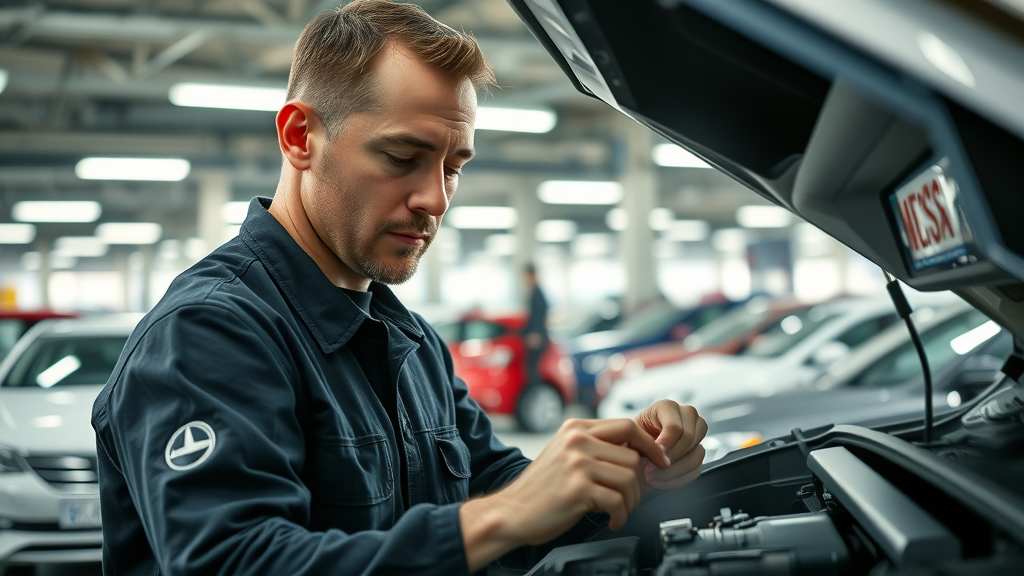
Mechanic servicing non-franchise brand vehicle in dealership workshop

Actionable Tips for Dealers to Maximize Multi-Brand Used Car Inventory Sales

For dealerships looking to capitalize on the multi-brand used car inventory trend, several strategic best practices can drive success. Leveraging the service drive is critical, where engagement with service customers can reveal trade-in opportunities and allow timely promotion of extended service contracts.

Sales teams must be trained diligently to communicate the benefits of multi-brand protection plans effectively. Using role-play and targeted coaching helps salespeople become confident advocates for these products.

Finally, investing in technology integrations with dealer management systems streamlines inventory management, warranty sales, and customer communication, simplifying processes and improving sales close rates.

Strategies to Maximize Multi-Brand Used Car Inventory Sales
Strategy Benefit Implementation Tip
Service Drive Engagement Increased trade-ins and loyalty Data mine service records for warranty expirations
Sales Training Higher conversion rates Role-play multi-brand sales scenarios
Technology Integration Simplified process Adopt Dealer Center or similar dealer management systems

People Also Ask

  • What is multi-brand used car inventory? Multi-brand used car inventory refers to the practice of franchise dealerships stocking and selling pre-owned vehicles from multiple manufacturers rather than just their own brand.
  • How does multi-brand inventory benefit car buyers? It offers customers more vehicle choices under one roof, which simplifies shopping and provides greater flexibility with deals and financing.
  • Can franchise dealerships service all brands in their used inventory? Yes, with the right training and extended service contracts, franchise dealerships can service and warranty vehicles from multiple brands effectively.
  • What role do extended service contracts play in multi-brand sales? Extended service contracts provide peace of mind by covering repairs across multiple brands and aftermarket modifications, encouraging customer loyalty and repeat business.

Key Takeaways

  • Multi-brand used car inventory is a growing trend that enhances customer choice and dealership profitability.
  • Technology integration and extended service contracts are critical success factors for dealerships expanding multi-brand used inventories.
  • Building loyalty through comprehensive service and protection plans drives repeat business and strengthens customer relationships.
  • Dealers should embrace multi-brand strategies to adapt to changing market conditions and new challenges post-COVID.

Dealership leadership team discussing multi-brand used car inventory strategy

Conclusion: Embracing Multi-Brand Used Car Inventory for Future Growth

The automotive retail landscape is clearly shifting, and franchise dealerships that adopt a multi-brand used car inventory approach position themselves for sustainable growth. As Mark May from Advantage Warranty Group puts it, "The future of car sales lies in flexibility and loyalty. Multi-brand used car inventory combined with innovative service contracts is the key to thriving in today’s market." By broadening inventory with multiple brands and coupling it with technology-enabled extended service offerings, dealerships can better meet customer needs, increase profitability, and build lasting loyalty in an evolving marketplace.

Get Started with Multi-Brand Used Car Inventory Today

  • Contact Advantage Warranty Group to learn about integrated service contracts that work across multiple brands.
  • Explore dealer management system integrations for seamless sales and inventory management.
  • Train your sales and service teams to leverage multi-brand inventory and protection plans for maximum customer satisfaction.

For more info call now: (860) 707-9125

used car financing rates

24 Views

0 Comments

Write A Comment

*
*
Related Posts All Posts
09.09.2025

Credit Unions Gain Share in Auto Finance: A Guide for Dealership Owners

Update Credit Unions Make Strides in Auto FinancingIn the ever-changing landscape of auto financing, credit unions have carved out a significant share. With a year-to-date increase of 3.5% in Corning Credit Union’s auto portfolio, it’s clear that this sector is attracting more attention and loyalty from consumers. This shift is particularly noteworthy amidst rising interest rates and economic uncertainty that have characterized recent years.Understanding the Credit Union AdvantageCredit unions are not your typical financing institutions; they are community-based organizations that often boast lower interest rates and more personalized service. Unlike larger banks, credit unions focus on member benefits rather than profit margins. This member-centric approach can lead to better loan terms—making them an appealing choice for prospective car buyers.The Growing Importance of Auto FinancingAs the auto industry continues to rebound, the quest for favorable financing options is critical for both dealers and consumers. With car prices escalating, effective financing strategies have become vital. Credit unions offer a range of financing terms and often have lower auto loan rates than traditional banks. This is a significant consideration for potential buyers assessing their options for the best used car sales.Car Dealerships and the Shift in Financing PreferencesFor car dealerships, this trend presents challenges and opportunities. Dealership principals and managers must consider how to work alongside credit unions, perhaps creating partnerships or referral programs that benefit both parties. As more consumers prioritize better loan conditions, dealerships may need to adapt their financing strategies to remain competitive.Future Trends in Auto FinancingLooking ahead, further changes in the auto financing landscape appear imminent. As tech-savvy consumers increasingly turn to online platforms for car purchases and financing, credit unions must enhance their digital offerings to keep pace. Leveraging technology can help credit unions streamline the loan process, making it easier for consumers to access competitive rates and deals.Final Thoughts and Next Steps for Car Dealership OwnersFor car dealership owners, understanding the dynamics between credit unions and consumer preferences could pave the way for enhanced collaboration and profitability. Exploring auto body repair partnerships and offering additional services can also add value to the overall customer experience. Embracing these shifts not only keeps dealerships viable but enhances the satisfaction of their clientele.

08.18.2025

High-Income Auto Consumers Are Facing Increased Default Risk: What It Means for Dealerships

Update High-Income Consumers: A Surprising Risk in Auto Loans In the intricate world of auto finance, one might assume that high-income consumers are immune to the financial downturns that can lead to loan defaults. However, recent insights reveal a worrying trend: even those who earn substantial incomes are facing increased risks of defaulting on their auto loans. This article sheds light on the shifting dynamics of high-income car buyers and the implications for car dealerships. The Changing Landscape of Auto Financing Recent economic fluctuations and the rise in inflation have impacted consumers across all income brackets. For high-income individuals, their affluence may have led them to overextend themselves, relying on loans to finance luxury vehicles. A report indicated that defaults in this category are driven by a mix of lifestyle inflation and unexpected economic downturns. As high earners often assume they can manage their debts, they may not anticipate the strain that an economic slump can impose on their budgets. This shift has prompted concerns from financial institutions and car dealerships, who now must navigate an evolving market where even affluent clients pose a risk of default. Impacts on Car Dealerships For car dealerships, this scenario presents both challenges and opportunities. Rates of delinquency among affluent borrowers could necessitate adjustments in financing strategies. Dealerships may need to refine their vetting processes for potential high-income borrowers, ensuring they fully assess each client's financial resilience before extending loans. Furthermore, the ability to provide compelling auto finance packages may prove crucial. Innovative financing solutions such as flexible payment plans or incentives could help mitigate risk while appealing to high-income clients. Strategies to Mitigate Default Risks So, how can dealerships adapt to the shifting tides of high-income auto financing? Here are a few strategies: Enhanced Credit Assessment: Implement a more rigorous analysis of applicants' credit histories and financial stability. Transparent Loan Structures: Ensure that lending terms are clear to borrowers, reducing the chances of misunderstandings that can lead to defaults. Financial Education Initiatives: Providing workshops on budgeting and debt management could empower buyers and promote responsible borrowing. Looking to the Future: Trends in Auto Financing As we anticipate ongoing challenges in the automotive finance landscape, it's crucial to remain informed about new trends. The continued fluctuations in interest rates are likely to influence consumer behavior and dealership financing practices. Additionally, the rise of electric and hybrid vehicles may bring about new financing models that target environmentally-conscious consumers. Dealerships that can adapt their business models to these trends will not only safeguard against default risks but also ensure they meet the changing needs of high-income consumers. Conclusion: A Call to Action for Dealerships As financial dynamics shift, it's essential for car dealership owners and managers to engage proactively with these changes. By implementing robust risk assessment strategies and embracing consumer education, dealerships can better position themselves against the rising tide of defaults among high-income auto consumers. Stay informed, adapt to the evolving market, and take proactive measures to safeguard your business.

08.18.2025

The Impact of Diesel Engine Deletion on Warranty Coverage

Opening Hook: Is Diesel Engine Deletion Worth the Risk to Your Warranty? Diesel engine deletion warranty has become a hot topic among diesel truck owners and enthusiasts. The practice of removing or “deleting” engine components related to emissions—such as the Diesel Particulate Filter (DPF)—promises improved performance and fuel efficiency, but sparks questions about warranty coverage and legal risks. Is diesel engine deletion worth the potential risk of voiding your warranty? In this article, we investigate this controversial modification, highlight key warranty insights, and share expert advice from Mark May of Advantage Warranty Group. Overview of Diesel Engine Deletion and Its Effect on Warranty Coverage Definition of diesel engine deletion and common modifications: Diesel engine deletion refers to removing or bypassing emission control devices like the DPF, SCR (Selective Catalytic Reduction) system, and EGR (Exhaust Gas Recirculation). These deletions are often done via aftermarket delete kits to enhance engine efficiency or reduce maintenance costs. Typical warranty coverage for diesel trucks before deletion: Manufacturer warranties usually cover engine and drivetrain components under strict conditions — any unauthorized modifications, especially emission-related deletions, typically risk voiding factory warranties. Mark May of Advantage Warranty Group explains how deletion affects warranty claims: According to Mark May, "Because of the fact that we don't fear diesel deletion, we no longer deny claims as a result of that." This represents a significant shift in how warranties can accommodate modified diesel trucks. Image description: A bold diesel truck is under maintenance as a focused mechanic inspects the engine in a clean workshop, illustrating concerns around diesel engine deletion warranty and coverage. Understanding Diesel Truck Warranty Policies on Deleted Trucks How warranty providers view deleted trucks: Traditionally, warranty providers viewed deleted trucks as high-risk, often rejecting claims related to engine and drivetrain failures after modifications. Coverage of aftermarket parts such as delete kits and lift kits: Modern warranty plans, like those offered by Advantage Warranty Group, can extend coverage to trucks with aftermarket modifications—including delete kits and lift kits—delivering flexibility unseen in OEM warranties. Mark May’s insight: “We no longer deny claims due to diesel deletion, ensuring coverage remains intact.” Common Concerns: Does Deleting Diesel Void the Warranty? Legal and manufacturer perspectives on diesel engine deletion: Manufacturers warn diesel deletion violates emissions standards and can void factory warranties. Additionally, legal risks arise from violating Clean Air Act regulations. However, the extent to which warranty is voided depends on how deletion is detected and claims are handled. Risks of being caught with a deleted truck: Beyond warranty issues, owners risk fines and legal consequences if vehicles are inspected and found with emission system deletions. Clarification on removing emission components like DPF and its warranty implications: While DPF removal typically leads to voided factory warranty coverage, some extended or aftermarket warranties cover deleted trucks, minimizing claim denial risk. Mark May, of Advantage Warranty Group, states, “Because of the fact that we don't fear diesel deletion, we no longer deny claims as a result of that.” The Role of Delete Kits in Diesel Trucks and Warranty Coverage What is a delete kit and how it modifies diesel trucks: Delete kits remove emissions equipment from the exhaust system allowing the engine to run without emission control filters, potentially improving performance and reliability with less maintenance. Impact on drivetrain and engine components: While deletions can reduce backpressure and improve exhaust flow, concerns remain about engine longevity and possible increased wear without emissions controls. Warranty coverage considerations for trucks with delete kits: Advantage Warranty Group and similar providers offer specific warranty plans accommodating delete kits, ensuring trucks stay protected even after modification. Image description: A rugged diesel truck parked on a muddy trail exemplifies trucks commonly equipped with delete kits, highlighting the importance of diesel engine deletion warranty coverage. Truck Deletion Trends and Their Growing Popularity Among Diesel Truck Owners Why diesel truck owners choose deletion modifications: Many owners seek better fuel efficiency, reduced maintenance costs, and improved engine performance by removing restrictive emission systems. Regional trends such as in the Deep South: Diesel engine deletion is particularly popular in regions like the Deep South, where emissions enforcement may be less rigid and the culture embraces truck modifications. Mark May’s perspective on the efficiency and customer demand for deleted trucks: Mark notes growing customer demand and acceptance among warranty providers, stating, "The engines typically run more efficiently without all those regulations." Image description: Enthusiastic diesel truck owners at a car meet discuss modifications, reflecting the rising popularity of diesel deletions and related warranty considerations. How Warranty Providers Adapt to the Rise of Deleted Diesel Trucks Integration of warranty products with dealer management systems: Advanced technology integrations, like Advantage Warranty Group's partnership with Dealer Center software, streamline warranty issuance for deleted trucks at dealerships. Advantages of seamless warranty processing for deleted trucks: Simplified digital workflows allow dealers to easily offer coverage without worrying about deletion voiding the warranty. Quote from Mark May: “Our integration with Dealer Center makes it easy and convenient for dealers to offer coverage on modified vehicles.” Image description: Staff at a tech-savvy car dealership utilize digital tablets to efficiently process warranties on diesel trucks, including those with deletions. What You'll Learn: Key Insights on Diesel Engine Deletion Warranty How diesel engine deletion affects warranty coverage and claim risk. Legal and practical risks associated with deleting diesel engine components. Best practices for maintaining warranty protection after making deletion modifications. Expert advice from Mark May on navigating warranty claims and ensuring continued coverage for deleted diesel trucks. Comparison of Warranty Coverage: OEM vs. Aftermarket Parts on Diesel Trucks Feature OEM Parts Coverage Aftermarket Parts Coverage (Including Delete Kits) Lift Kits Covered up to 12 inches Covered if within price guidelines Wheels & Tires OEM only OEM and aftermarket covered Diesel Engine Deletion Typically voids warranty Covered by Advantage Warranty Group Claim Denial Risk High if deleted Low with proper warranty plan Image description: Close-up view of an aftermarket delete kit installed on a diesel engine, highlighting intricate engineering and warranty considerations. Frequently Asked Questions (FAQs) About Diesel Engine Deletion Warranty Does deleting diesel void the warranty? Typically, factory warranties are voided by diesel engine deletion, but some extended warranties specifically cover deleted trucks, ensuring continued protection. Can I get in trouble for deleting my diesel? Yes, depending on local and federal laws, if your vehicle is caught with removed emissions equipment, you can face fines and legal penalties. Does removing the DPF void the warranty? Removing emission components like the DPF often voids factory warranties. However, warranty providers like Advantage Warranty Group offer plans that cover such modifications. Will delete 6.7 Powerstroke void warranty? Similar to other engines, deletion of a 6.7 Powerstroke may void manufacturer warranty but can be covered under aftermarket diesel engine deletion warranty plans. Gary Silman emphasizes, “With Mark’s technology and products, dealers can confidently offer extended service contracts that cover multiple brands and modifications, including deleted diesel trucks.” Conclusion: Balancing Diesel Engine Deletion and Warranty Protection Summary of the benefits and risks of diesel engine deletion: While deletion can improve performance and reduce maintenance, it traditionally voids manufacturer warranty and carries legal risks. However, with specialized warranty plans, owners can enjoy both freedom to modify and warranty protection. Importance of choosing the right warranty provider: Selecting providers like Advantage Warranty Group gives owners peace of mind with comprehensive coverage documented not to deny claims simply because of diesel deletion. How Advantage Warranty Group leads with innovative coverage solutions: Mark May and Advantage Warranty Group's integration with dealer software and embrace of modified vehicles represent a pioneering approach to evolving diesel truck warranty needs. Final expert advice from Mark May on protecting your investment: Mark advises, "You don't have to worry about messing with the engine and then it not be covered. We're making it easy and convenient for dealers and customers alike." Image description: A confident warranty specialist and satisfied truck owner shake hands in a dealership office, symbolizing trust in diesel engine deletion warranty protection. Call to Action For more information on diesel engine deletion warranty and coverage options, call now: (860) 707-9125 Visit awgadmin.com to explore products and get started today. Image description: A user browsing warranty provider website on a laptop, contemplating diesel engine deletion warranty options from the comfort of a cozy home office.

Terms of Service

Privacy Policy

Core Modal Title

Sorry, no results found

You Might Find These Articles Interesting

T
Please Check Your Email
We Will Be Following Up Shortly
*
*
*