

Add Row
Add Element
cropper
update
Global F & I Solutions  Powered by Global F & I Media 
update
Add Element
  • Home
  • Categories
    • used car financing rates
    • used car loan rates
    • finance rate on used car
    • best used car financing rates
    • used car financing best rates
    • used car with financing
    • used car financing
    • low interest rate on car loan
    • value of my used vehicle
    • how to refinance auto loan
    • used car loan average interest rate
    • used car loan percentage rate
    • second hand car 0 finance
    • how to calculate auto loan interest
    • what are auto loan interest rates
    • used car financing interest rates
    • used car loan percentage
    • used car loan interest rates
    • what is a good car loan rate
    • what are car loan rates
    • used car finance for sale
    • used car interest rates current
    • typical car loan length
    • common car loan terms
    • Extra News
June 09.2025
2 Minutes Read

Why U.S. OEMs are Staying in Mexico: Insights on Manufacturing Trends

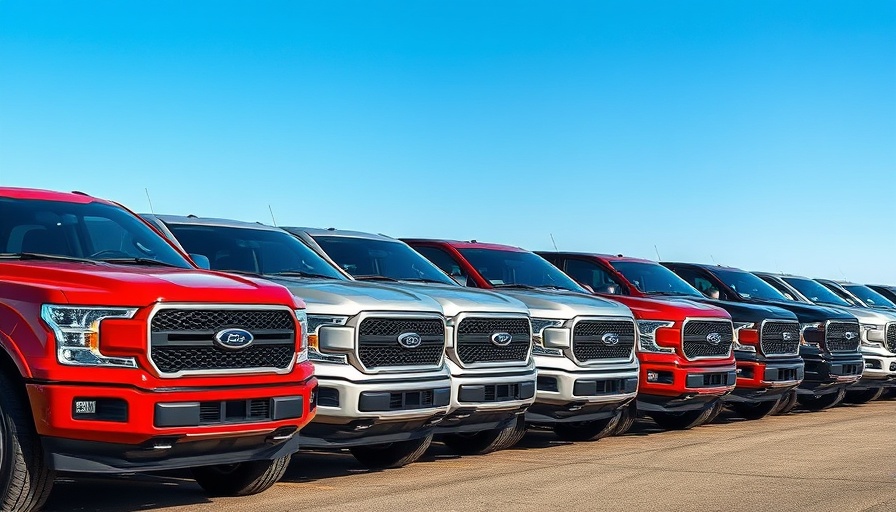
Diverse lineup of new trucks highlighting manufacturing in Mexico.

Manufacturing Resilience: Why Mexico Holds Strong

As we delve into the state of manufacturing, it becomes increasingly clear why so many U.S. Original Equipment Manufacturers (OEMs) have found a steadfast partner in Mexico. Despite ongoing tariffs and trade tensions, studies like those from Roland Berger highlight that the cost-effectiveness and logistical advantages offered by Mexico continue to outweigh the reasons for relocating production back to the U.S.

The Economics of Production Costs in Mexico

In recent years, Mexican manufacturing has proven to be an economic powerhouse for U.S. automakers. Wages, while rising, remain significantly lower than U.S. levels. This disparity allows OEMs to maintain cost-effective production without sacrificing quality. Moreover, Mexico's proximity to the U.S. market enhances logistics efficiency, reducing shipping times and costs.

Modern Challenges and Opportunities

While costs in Mexico may be compelling, it's essential to address some challenges. Tariffs have created a new layer of complexity for U.S. OEMs, leading some to reconsider their supply chains. However, many have adapted by seeking innovative strategies to navigate these challenges while still benefitting from the Mexican manufacturing framework. For instance, by investing in automation and localized supply chains, companies are attempting to soften the impacts created by external economic pressures.

The Bigger Picture: Global Trends and Local Impacts

The shift towards manufacturing in Mexico dovetails with broader global trends. Economic conditions worldwide, shifting trade agreements, and evolving consumer expectations continually reshape the manufacturing landscape. Thus, understanding these trends is crucial for dealership principals and GMs, as they significantly affect product availability and pricing structures within the North American market.

Implications for U.S. Dealerships

As the manufacturing landscape evolves, so too does the marketplace for used cars. With continuous advancements in technology and financing options, the role of dealerships remains pivotal. For instance, used car financing rates are expected to remain competitive, enabling consumers to access quality vehicles at favorable terms. Dealership principals should remain informed about current used car financing interest rates and how factors such as production costs influence market prices. This understanding allows them to offer better deals and enhance customer satisfaction.

Final Thoughts: The Future of U.S.-Mexico Manufacturing Relations

The relationship between U.S. OEMs and Mexican manufacturers is not just a story of cost advantages; it's a complex interplay of economic strategy, customer needs, and geopolitical influences. For dealerships, keeping abreast of the developments in manufacturing and financing options means better aligning their offerings with customer expectations. As you seek to bolster your dealerships' value proposition, educate yourself about the best used car financing rates available and how you can enhance your offerings accordingly.

This ongoing dialogue about manufacturing in Mexico underscores the need for proactive engagement with financing options for customers looking at used cars. Emphasizing on enhanced customer service and competitive used car financing can dramatically influence dealership success in this evolving landscape.

used car interest rates current

8 Views

0 Comments

Write A Comment

*
*
Related Posts All Posts
12.02.2025

Understanding Consumer Pessimism and Its Impact on Auto Sales

Update Consumer Confidence Dips as Pessimism Reigns In recent months, the level of consumer pessimism has reached new heights, with the Conference Board Consumer Confidence Index experiencing its tenth consecutive decline. This month, the index dropped nearly seven points, resting at 88.7—a clear signal that consumers are anxious about their financial futures and the economy at large. With growing concerns about inflation, government shutdowns, and political turmoil, many are bracing for a potential recession. The Impact of Economic Factors on Consumer Behavior As consumers express unease about current economic conditions, it's essential to understand the underlying factors at play. Inflation, particularly, is pinching wallets and influencing spending habits. The prolonged federal government shutdown, noted as the longest in U.S. history, has exacerbated concerns over economic stability, making consumers wary of large purchases. While plans to buy new cars remain stagnant, interest in used cars appears to be more favorable—indicating a shift towards more affordable options. Spending Trends Among Age Groups A notable observation from the recent survey is the varied effects of consumer sentiment across different age groups. Interestingly, younger consumers (those under 35) show a glimmer of optimism compared to their older peers. This divergence may be due to different stages of financial responsibility and access to credit, which can significantly influence purchasing decisions, especially when it comes to buying used cars versus new models. Navigating the Economic Landscape as Car Dealership Owners For car dealerships, understanding these trends is crucial. As consumers shift their focus from high-ticket items to more budget-friendly purchases, dealerships may consider adjusting their inventories and marketing strategies. Emphasizing used vehicles in promotional campaigns and emphasizing affordable financing options could cater to the changing preferences of potential buyers. Furthermore, providing training for sales teams on how to navigate consumer concerns about financing could enhance customer interactions and pave the way for successful transactions. Addressing Consumer Concerns: A Path Forward Dealerships can also take proactive steps to instill confidence in buyers. By offering workshops through automotive classes online, dealerships can educate consumers about financing options available for used cars, including subprime loans which may help those worried about credit scores. Increasing awareness about various financing options and the current used car interest rates can empower consumers and alleviate their fears. Final Thoughts and Call to Action With consumer confidence waning, dealerships must adapt to the current climate by understanding and addressing the concerns of their customers. Offering clear, transparent information about financing and emphasizing the value of used cars can help bridge the gap between consumer pessimism and purchasing behavior. For more information on automotive training and how to boost your sales strategies during these tough times, contact us at (860) 707-9125.

09.04.2025

Why Used Vehicle Interest Rates Dropped 26bps: A Game Changer for Dealerships

Update The Current Shift in Used-Vehicle Financing For car dealership owners and general managers, understanding the latest trends in used-vehicle financing is essential for staying competitive and meeting customer expectations. In August, used-vehicle interest rates saw a significant decline of 26 basis points. This drop is indicative of broader market dynamics that may serve as a boon for dealerships reliant on auto financing. Why Did Interest Rates Drop? The reduction in used-vehicle interest rates can be attributed to several factors, including easing economic conditions and a growing inventory of used vehicles. As interest rates decrease, it's more likely that consumers will feel encouraged to purchase vehicles, which can lead to increased sales and ultimately enhance the revenue stream for dealerships. Regional Insights: Northwest Experiences a Larger Decline The Northwest region notably experienced an impressive 56-basis point decline in both new and used vehicle interest rates. This substantial drop may present unique opportunities for dealerships in these areas to capitalize on buyers who are more inclined to finance new or used vehicles owing to the favorable terms available. Implications for Car Dealerships Dealerships need to adjust their strategies in light of these changes. With lower financing costs, partnerships with various finance companies could yield better loan offers for consumers, consequently driving more potential buyers into the showroom. This environment calls for dealerships to emphasize competitive financing options in their marketing, as well as enhance their service offerings, such as providing online car body repair estimates or promoting tools for auto body repair to educate consumers. The Future of Auto Financing As we navigate towards the latter part of the year, dealerships must remain attuned to potential future fluctuations. Economic trends suggest that interest rates may stabilize or continue to drop, hence understanding these trends can help dealerships inject urgency into their sales strategies. Collaborating with auto body repair shops for complementary services and ensuring that financing terms remain attractive are pivotal in drawing customers. Take Action: Improve Your Financing Strategy In light of falling used-car interest rates, it’s imperative for car dealerships to reevaluate their strategies to attract buyers. By highlighting competitive financing options and pairing them with valuable services like automotive body repairs, dealerships can create an enticing proposition for consumers. Embrace these changes now to maximize your dealership's potential in the months ahead.

06.20.2025

The Race for Battery Supremacy: Ford vs. GM and Its Impact on Used Car Financing

Update The Electric Showdown: Ford vs. GM in Battery Manufacturing The automotive industry is witnessing a transformative era, with major players like Ford and GM navigating through electrification challenges. As competition escalates, the iconic rivals are now grappling with yet another arena: battery manufacturing. This emerging rivalry is reshaping the landscape of American automotive manufacturing, marked by their shared ambition towards sustainable energy solutions. A New Frontier in Electric Vehicle Production Both Ford and GM aim to establish robust battery manufacturing capabilities to produce electric vehicles (EVs) on a grand scale. *Ford, in particular*, has announced plans to invest upwards of $11 billion in a new battery plant in Tennessee, while *GM continues to expand its Ultium battery production platform*. This competition isn't just about creating vehicles; it's about ensuring a sustainable supply chain critical for meeting consumer demand and regulatory pressures. With both automakers aggressively investing in technology and infrastructure, the outcome of this infrastructure battle could redefine market leadership within the EV sector. Why Batteries Are the New Gold Standard Batteries have become the heart of the EV revolution. The current focus on battery technology highlights the strategic importance of securing advances in efficiency, longevity, and cost-effectiveness. In 2025, the demand for batteries will only soar as consumers increasingly turn towards electric options, making the stakes even higher. Such shifts lead to increased financing conversations around vehicles, as potential buyers now also consider total ownership costs, including the price of financing and maintaining EVs. Understanding the Financing Landscape for EVs As Ford and GM battle to establish themselves in battery manufacturing, dealership principals must remain informed about changing *used car financing rates* as more consumers opt for electric options. For dealerships, understanding *used car loan rates* and *finance rates for used cars* becomes essential. As the market shifts, those who can navigate these financial waters will undoubtedly have an edge in meeting evolving customer needs. Offering customers the best used-car financing rates is also crucial as the dealership landscape adapts to consumer preferences. Future Implications for the Automotive Industry The push for better batteries will not merely affect Ford and GM; it will ripple through the entire automotive industry. Emerging domestic battery supply chains may lead to more competitive *used car interest rates current* and favorable terms for vehicle financing. *What’s more*, as battery technology improves, it could lead to prices dropping across the board, directly impacting demand for both new and used vehicles. The Role of Consumer Education in Financing Decisions It's imperative for dealership leaders to educate consumers efficiently. By demystifying terms such as *used car financing*, *low-interest rates on car loans*, and *how to refinance auto loans*, they empower buyers with knowledge. Tools like the *used auto financing calculator* can simplify the financing process for consumers, allowing them to make informed purchasing decisions regarding their next vehicle. In light of the competitive strategy being executed by Ford and GM, it’s critical to consider how each company's choices in battery manufacturing will shape dealership strategies moving forward. Whether you are a dealership principal, GM, or a fixed operations director, aligning financing offers with the digital evolution of vehicles will be vital as the market shifts. Understanding these dynamics will not only help businesses stay ahead but empower customers along the way. In this current transformative phase of the automotive industry, engaging with peers through platforms like LinkedIn can facilitate knowledge sharing. Stay ahead of trends, and explore how advancements can enhance your dealership's strategic position. The future is electric, and now is the time to adapt.

Terms of Service

Privacy Policy

Core Modal Title

Sorry, no results found

You Might Find These Articles Interesting

T
Please Check Your Email
We Will Be Following Up Shortly
*
*
*