

cropper
update
Global F & I Solutions  Powered by Global F & I Media 
update
  • Home
  • Categories
    • used car financing rates
    • used car loan rates
    • finance rate on used car
    • best used car financing rates
    • used car financing best rates
    • used car with financing
    • used car financing
    • low interest rate on car loan
    • value of my used vehicle
    • how to refinance auto loan
    • used car loan average interest rate
    • used car loan percentage rate
    • second hand car 0 finance
    • how to calculate auto loan interest
    • what are auto loan interest rates
    • used car financing interest rates
    • used car loan percentage
    • used car loan interest rates
    • what is a good car loan rate
    • what are car loan rates
    • used car finance for sale
    • used car interest rates current
    • typical car loan length
    • common car loan terms
    • Extra News
May 26.2025
2 Minutes Read

Unlock Industry Success with the 2025 Global Vehicle Assembly Plant Database

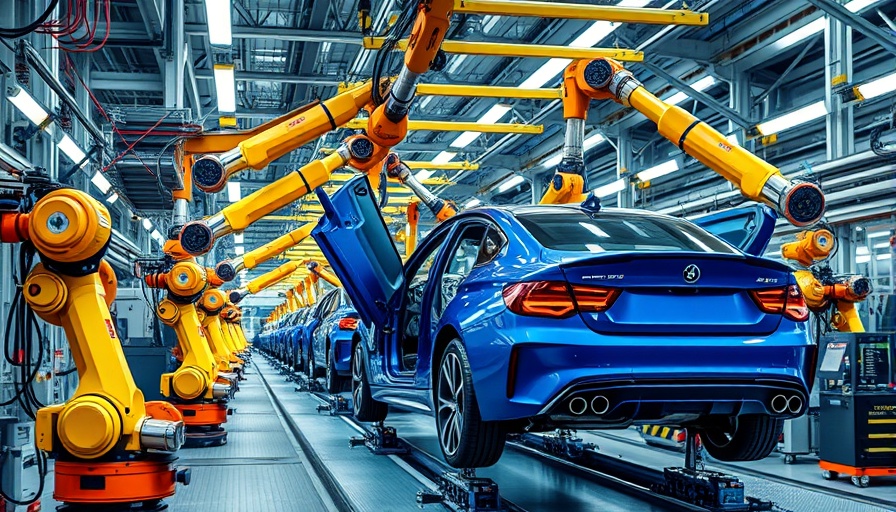
Advanced vehicle assembly plant with robotic arms, blue car assembly.

The Comprehensive Global Vehicle Assembly Plant Database: An Essential Resource

The automotive industry is always in a state of flux, with production rates and assembly capabilities shifting constantly. The newly published Global Vehicle Assembly Plant Database – 2025 edition offers a detailed snapshot of this ever-evolving landscape, containing data for approximately 60 vehicle groups, 140 brands, and over 1,100 models. This pivotal resource is poised to assist industry stakeholders, including dealership principals and general managers, in making informed decisions about production and procurement.

Key Features and Updates in the 2025 Edition

The latest edition of the database highlights important trends marked by newly opened or closed plants and the introduction of brands into existing facilities. With specific production data for the years 2023 and 2024, users can gain insight into the latest production capabilities and trends that could impact supply chains and used car financing rates. The ability to filter by region, country, and automaker group enables a tailored approach to understanding the data that most affects your business.

Understanding the Impact on Used Car Financing Rates

An often-overlooked aspect of automotive production is its direct effect on financing rates for used cars. As production increases or decreases from specific regions or plants, it influences the availability of used vehicles on the market. This, in turn, can create fluctuations in used car loan interest rates and the finance rates available for consumers seeking financing options. Dealers need to be astute and ready to adapt their strategies as these financial indicators shift.

The Importance of Accurate Production Insights

It’s essential for dealership principals and fixed operations directors to stay updated with the latest production insights from the database. This can help in accurately assessing the value of used vehicles in their inventory, which in turn informs their strategy on used car financing. Understanding how to calculate auto loan interest from the rates can help dealerships provide competitive offers to consumers, ensuring that they not only close a sale but also establish long-term customer relationships.

Future Trends and Predictions for Automotive Assembly

Looking ahead, industry trends suggest increasing diversification within vehicle assembly processes globally. With the rise of electric and hybrid vehicles, new players are entering the market, and this could significantly affect both new and used car financing options. Anticipating these changes now can position dealers to better cater to consumer needs, including how to refinance auto loans.

Conclusion: The Value of Stepping Ahead

For dealership leaders, leveraging the Global Vehicle Assembly Plant Database – 2025 edition is not just about securing transitions in inventory, but also about understanding and adapting to financing dynamics. Keep abreast of these developments to ensure competitive positioning in an ever-competitive market.

Explore the latest data insights to enhance your decision-making processes and maximize your dealership's effectiveness in navigating the current landscape of used car financing. Taking proactive measures today could prove invaluable in responding to the industry's shifts tomorrow.

used car financing

23 Views

0 Comments

Write A Comment

*
*
Please complete the captcha to submit your comment.
Related Posts All Posts
08.21.2026

Unlocking Buyer Hesitation: The Three Windows of Protection in Car Sales

Update Understanding Customer Hesitation in Car Buying For many dealership executives, understanding the psychological barriers that inhibit automotive sales can be a game changer. When a customer expresses that they need to think about a car purchase, it often signals more than just a desire for additional information. Instead, it reflects a complex interplay of past experiences, present concerns, and fears about the future. Past Protection: Guarding Against Negative Experiences One key reason buyers hesitate is due to past protection. A potential customer may recount experiences where promises made by a dealership led to disappointment, such as poor repair service or unfair trade valuations. For example, when a customer states, "The last dealership told me the same thing," they are reliving a previous experience, which can overshadow current options. This context is crucial for sales teams to understand. Instead of simply pushing the sale, ask, "What happened last time that you don’t want to repeat?" This question invites a valuable conversation about their concerns, allowing you to address specific hesitations directly. Present Protection: Immediate Life Pressures Customers also deal with what is termed present protection, where they feel overwhelmed by financial stressors. Phrases like, "I don’t want to get stretched right now," convey worries about payments and cash flow. Understanding that buyers want to maintain their current financial stability is essential. To delve deeper, try asking, "What part of this feels heavy today?" This opens the door to discussions about managing their financial expectations, particularly regarding used car financing rates and potential payment plans. Future Protection: Fears of Regret Looking toward the future, buyers can also fear making a long-term commitment. This future protection often manifests as apprehension over potential regrets linked to the vehicle. Questions such as, "What future are you trying to protect?" encourage customers to articulate their fears—be it worries about losing flexibility or facing unexpected costs. Highlighting advantageous terms or low interest rates on car loans can assuage their concerns and make the decision-making process smoother. Recognizing Diverse Customer Profiles It’s important to understand that not all customers enter a dealership with the same mindset. For instance, someone whose vehicle just ceased functioning may prioritize immediate solutions, while a first-time buyer may carry emotional baggage from previous experiences shared by friends or family. Therefore, recognizing a customer’s perspective can lead to more tailored conversations that resonate with their unique situation. Transforming Hesitation into Clarity By honing in on the specific protections a buyer holds—whether related to their past, present, or future—dealerships can foster deeper connections that facilitate informed decisions. Starting with better questions leads to clarity, allowing customers to feel understood and valued. Each interaction can pivot from mere salesmanship to genuine support that reflects their needs, ultimately leading to greater sales success. The ultimate takeaway for dealership principals, GMs, and fixed operations directors is that understanding the psychology behind 'I need to think about it' can create significant shifts in customer interactions. A focus on empathy and clarity transforms potential silent objections into dialogues that facilitate decision-making and, ultimately, triumph in car sales.

08.21.2026

Is Automotive Training the Future of Car Dealership Success?

Update Is the Automotive Training Center the Key to Car Dealership Success? As the automotive industry evolves, the importance of quality training for dealership staff cannot be overstated. The video titled August 19, 2026 underscores how essential it is for car dealerships to embrace automotive training centers. This isn't just about having a knowledgeable sales team; it's a vital step towards enhancing customer satisfaction and increasing sales. In an era when buyers research vehicles online extensively, having staff who understand both the vehicles and the digital landscape can make a significant difference.The video August 19, 2026 emphasizes the pivotal role of automotive training centers, prompting us to explore their impact on dealership success. Transforming Auto Sales Training for the Digital Age Gone are the days when a mere sales pitch would suffice. Today, understanding customer preferences through digital business insights is crucial. Automotive classes online are becoming more popular, equipping staff with the tools to address customer questions promptly and professionally. The training offered is not just about selling used cars; it encompasses comprehensive knowledge regarding current auto financing trends, including subprime loans for cars and what constitutes a good car loan rate. Benefits of Participating in a Car Training Day Engaging in a car training day at an automotive training center can be incredibly beneficial. Staff can participate in interactive modules that dive into F&I trends, understanding how to utilize the latest technology to enhance their selling techniques. With more dealerships adopting automated online courses, they can offer training at their convenience, creating an adaptable workforce ready for any sales challenge. Building Trust Through Knowledge Trust is the cornerstone of any sales relationship. Well-trained employees can build that trust with clients, addressing concerns about used car financing and ensuring customers feel informed about what auto loan interest rates they qualify for. Knowledge dispels confusion, especially regarding common car loan terms, making it easier for sales representatives to assist customers in navigating their options. Preparing for the Future: Insightful Predictions Looking ahead, training methodologies will continue to evolve. The future of car sales will likely see an increased reliance on digital business strategies, impacting how dealerships market troves of used cars. Training centers focused on automotive classes online will serve as a breeding ground for innovative and effective sales tactics, turning traditional sales processes upside down. By investing in automotive training, dealerships position themselves not just for better sales but for enduring success in a rapidly changing marketplace. The implications of enhanced education extend beyond just the sales department; it fosters a culture of knowledge and professionalism that can reverberate throughout the organization. In summary, automotive training centers provide the strategic edge necessary for dealerships aiming to thrive in today's competitive landscape. By focusing on staff training, dealerships can guarantee that their teams are equipped not just to sell cars, but to deliver a comprehensive and trusted customer experience.

08.20.2026

Navigating the Shift: Why Auto Dealers Must Update Outdated Tech Platforms Now

Update Why Many Auto Dealers Are Sticking with Outdated Tech In an era where technology evolves rapidly, many auto dealers and lenders are still tethered to tech platforms that are decades behind. This technological lag is not due to complacency but rather a confluence of structural limitations and significant migration challenges. A recent industry survey revealed that 87% of auto dealers and lenders are in some form of migration, yet more than half plan to make the jump within the next year. It's evident that the question isn't whether to modernize, but how best to do so in a way that minimizes risks. The Burden of Legacy Systems Most legacy systems in auto lending are often monolithic, creating an environment where isolated updates become daunting, costly, and risky. In fact, the survey indicates that a substantial one-third of respondents allocate an overwhelming 80-100% of their platform resources on maintenance rather than innovation. This leaves little room for development, compliance readiness, or product expansion. Some dealers are still using outdated platforms such as IBM AS/400 systems paired with archaic programming languages like COBOL, which skews modern development efforts. Understanding the Delay: Cost and Risk Factors The migration delays faced by dealers and lenders stem from structural barriers rather than philosophical resistance to change. Cost constraints emerged as a significant hurdle for 28.6% of respondents, while 31.6% cited limited human resources. Notably, only a small percentage—5.3%—expressed confidence in their legacy systems. Transitioning to a new platform doesn’t just come with known shortcomings; it brings uncertainties about compliance processes and potential disruptions, which heightens migration anxiety. Embracing API-Based Architectures The future lies in API-based architectures which provide the flexibility and functionality required for modern lenders. These solutions allow for real-time updates and seamless integrations with third-party developers, ensuring that businesses stay relevant and competitive. With such a foundation, auto lenders can deploy central updates without facing common issues like version drift. This modernization approach addresses many of the current limitations while enabling the growth needed to comply with evolving industry standards. The Path Forward: Strategies for Modernization To successfully navigate modernization, auto dealers should consider forming dedicated teams focused on migration, thereby leveraging their insights to create effective transition plans. Not only do such teams pave the way for integration, but they also mitigate expertise dependency risks—particularly as key individuals approach retirement. By creating an environment where institutional knowledge is shared, dealerships can strengthen their operational foundation and ensure continuity. Conclusion: The Crucial Turn in Auto Lending Technology The stakes of modernizing auto lending systems are high. Delaying necessary upgrades only magnifies existing risks and ties institutions to outdated practices. In the current competitive landscape, adopting advanced technology is no longer an option but a necessity. As the industry shifts toward more flexible, comprehensive solutions, those who embrace change will not only endure but thrive.

cropper
update
WorldPulse News
cropper
update

Write a small description of your business and the core features and benefits of your products.

  • update
  • update
  • update
  • update
  • update
  • update
  • update

COMPANY

  • Privacy Policy
  • Terms of Use
  • Advertise
  • Contact Us
  • Menu 5
  • Menu 6

123 456 7890

AVAILABLE FROM 8AM - 5PM

City, State

1234, Building, Street, City, State, Country

ABOUT US

Write a small description of your business and the core features and benefits of your products.

© 2026 CompanyName All Rights Reserved. Address . Contact Us . Terms of Service . Privacy Policy

Terms of Service

Privacy Policy

Core Modal Title

Sorry, no results found

You Might Find These Articles Interesting

T
Please Check Your Email
We Will Be Following Up Shortly
*
*
*