

Add Row
Add Element
cropper
update
Global F & I Solutions  Powered by Global F & I Media 
update
Add Element
  • Home
  • Categories
    • used car financing rates
    • used car loan rates
    • finance rate on used car
    • best used car financing rates
    • used car financing best rates
    • used car with financing
    • used car financing
    • low interest rate on car loan
    • value of my used vehicle
    • how to refinance auto loan
    • used car loan average interest rate
    • used car loan percentage rate
    • second hand car 0 finance
    • how to calculate auto loan interest
    • what are auto loan interest rates
    • used car financing interest rates
    • used car loan percentage
    • used car loan interest rates
    • what is a good car loan rate
    • what are car loan rates
    • used car finance for sale
    • used car interest rates current
    • typical car loan length
    • common car loan terms
    • Extra News
May 12.2025
3 Minutes Read

The Inevitable Rise of AI-Powered Cars: Will Drivers Welcome Change?

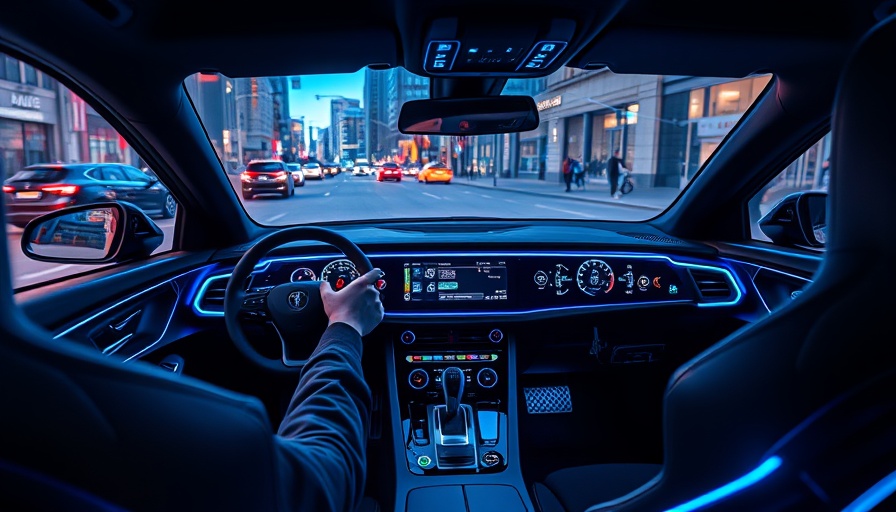
Futuristic car dashboard with AI interface and holographic displays.

The Revolution of AI in the Automotive Industry

The automotive landscape is rapidly evolving with the introduction of AI technology that promises enhanced driving experiences. From voice recognition systems that simplify navigation to predictive assistance that can preemptively address maintenance issues, AI is moving from the lab to the driving seat. Yet, the question remains—how will consumers respond to such innovations?

Addressing Skepticism: The Consumer's Perspective

Despite the industry's enthusiasm, a layer of skepticism clouded the adoption of past automotive technologies. Features like gesture controls and early voice recognition systems fell short due to their complexity. For instance, consumers found themselves frustrated by non-intuitive gesture controls that failed to deliver on their promises. If AI-driven features in vehicles don't demonstrate significant improvements over older technologies, they may face a similar fate.

AI-Driven Features: Potential Transformations

While consumer hesitation looms, there are many promising aspects of AI that could optimize the driving experience. Imagine asking your vehicle for guidance on using its features and receiving clear, contextualized responses. This marks a distinct departure from traditional endlessly complicated car manuals!

The Journey of Voice Recognition Technology

Not all innovations are greeted with open arms. The evolution of voice recognition is a noteworthy case study. Initially, it struggled to gain traction due to a lack of understanding and functionality. However, with modern systems increasingly capable of processing natural language, users are beginning to embrace them once more. This evolution highlights the importance of iterative improvement, suggesting that while the journey may be bumpy, AI has the potential to significantly enhance user interaction.

Will AI in Cars Be the Next Big Thing?

The future of AI in the automotive market is promising—if executed correctly. The seamless integration of AI features could decrease distractions and improve decision-making, ultimately leading to safer roads. However, the industry must remain cognizant of consumer experiences to ensure that frustration doesn’t prevail over functionality.

Integrating AI and Consumer Comfort

The real challenge may not be solely technological implementation, but rather creating an emotional and functional harmony between the driver and AI. For example, drivers accustomed to hands-on control might hesitate to cede control to automated systems. This brings to light the crucial need to design AI functions that not only serve a practical function but also create a comforting driving environment.

Concluding Thoughts on the Future of AI in Vehicles

As the automotive industry accelerates towards an AI-driven future, embracing technological advancement while maintaining consumer confidence will be paramount. It's not just about creating smarter vehicles; it's about building trust with drivers to navigate this new frontier together. Balancing progress with comfort will dictate the willingness of consumers to embrace AI technologies in their cars.

With all the excitement surrounding AI-powered features, it’s essential to understand how financing options can impact the accessibility of these vehicles. Whether looking for used car financing rates or exploring the best used car financing rates, being informed about current lending practices can help potential buyers make better decisions.

used car interest rates current

16 Views

0 Comments

Write A Comment

*
*
Related Posts All Posts
12.24.2025

What Does the 2026 Outlook Mean for Car Dealerships in a Shifting Market?

Update Challenging Times for Auto Dealers and Lenders As we head into 2026, the auto industry is at a pivotal moment marked by divergent opinions among lenders and dealers. While some anticipate continued growth, others are concerned about the challenges posed by rising costs and changing consumer behaviors. According to industry reports, new-vehicle sales are projected to rise 1.8% in 2025, presenting potential opportunities amidst uncertainty. The Impact of Market Dynamics on Sales Automakers and dealers are grappling with a marketplace characterized by mixed consumer demand and increased expenses due to tariffs. While some report optimism buoyed by a slight uptick in new vehicle sales—the best seen in years—others remain cautious. This divide reflects broader economic conditions, including inflation and fluctuating credit performance that affect purchasing power, making accurate forecasting crucial. Consumer Sentiment Shaping Dealer Strategies Consumer behavior continues to evolve rapidly, with many buyers focused on affordability and value when making purchasing decisions. Dealers are recognizing the need to adapt by emphasizing quality service and competitive pricing to attract budget-conscious consumers. With the rise of digital marketplaces, there is a pressing need for dealerships to enhance their online presence to remain relevant in the face of new car sales dynamics. Navigating Challenges with Technology To thrive in this changing environment, many dealerships are investing in technological tools designed to streamline their operations and enhance customer interactions. From AI-driven customer service chatbots to advanced inventory management systems, these innovations assist dealers in maintaining efficiency and connecting with consumers effectively. Embracing technology is not just a luxury but a necessity for staying ahead. Looking Ahead: What Lies Beyond 2026? As we gaze toward 2026, sentiments among lenders and dealers highlight a critical interplay between optimism and caution. Economists hint at both growth and risks, such as potential economic bubbles linked to technology investments. For dealer principals and automotive finance managers, understanding these trends is vital for making informed decisions that align with future market conditions. Call to Action for Auto Industry Stakeholders For car dealership owners, principals, and general managers, it’s essential to stay attuned to industry trends and proactively adapt strategies based on evolving market realities. Consider partnering with local automotive body repair shops to ensure vehicle readiness and customer satisfaction. By cultivating these relationships, you can further enhance your dealership's value proposition and stand out in a competitive landscape.

12.02.2025

Understanding Consumer Pessimism and Its Impact on Auto Sales

Update Consumer Confidence Dips as Pessimism Reigns In recent months, the level of consumer pessimism has reached new heights, with the Conference Board Consumer Confidence Index experiencing its tenth consecutive decline. This month, the index dropped nearly seven points, resting at 88.7—a clear signal that consumers are anxious about their financial futures and the economy at large. With growing concerns about inflation, government shutdowns, and political turmoil, many are bracing for a potential recession. The Impact of Economic Factors on Consumer Behavior As consumers express unease about current economic conditions, it's essential to understand the underlying factors at play. Inflation, particularly, is pinching wallets and influencing spending habits. The prolonged federal government shutdown, noted as the longest in U.S. history, has exacerbated concerns over economic stability, making consumers wary of large purchases. While plans to buy new cars remain stagnant, interest in used cars appears to be more favorable—indicating a shift towards more affordable options. Spending Trends Among Age Groups A notable observation from the recent survey is the varied effects of consumer sentiment across different age groups. Interestingly, younger consumers (those under 35) show a glimmer of optimism compared to their older peers. This divergence may be due to different stages of financial responsibility and access to credit, which can significantly influence purchasing decisions, especially when it comes to buying used cars versus new models. Navigating the Economic Landscape as Car Dealership Owners For car dealerships, understanding these trends is crucial. As consumers shift their focus from high-ticket items to more budget-friendly purchases, dealerships may consider adjusting their inventories and marketing strategies. Emphasizing used vehicles in promotional campaigns and emphasizing affordable financing options could cater to the changing preferences of potential buyers. Furthermore, providing training for sales teams on how to navigate consumer concerns about financing could enhance customer interactions and pave the way for successful transactions. Addressing Consumer Concerns: A Path Forward Dealerships can also take proactive steps to instill confidence in buyers. By offering workshops through automotive classes online, dealerships can educate consumers about financing options available for used cars, including subprime loans which may help those worried about credit scores. Increasing awareness about various financing options and the current used car interest rates can empower consumers and alleviate their fears. Final Thoughts and Call to Action With consumer confidence waning, dealerships must adapt to the current climate by understanding and addressing the concerns of their customers. Offering clear, transparent information about financing and emphasizing the value of used cars can help bridge the gap between consumer pessimism and purchasing behavior. For more information on automotive training and how to boost your sales strategies during these tough times, contact us at (860) 707-9125.

09.04.2025

Why Used Vehicle Interest Rates Dropped 26bps: A Game Changer for Dealerships

Update The Current Shift in Used-Vehicle Financing For car dealership owners and general managers, understanding the latest trends in used-vehicle financing is essential for staying competitive and meeting customer expectations. In August, used-vehicle interest rates saw a significant decline of 26 basis points. This drop is indicative of broader market dynamics that may serve as a boon for dealerships reliant on auto financing. Why Did Interest Rates Drop? The reduction in used-vehicle interest rates can be attributed to several factors, including easing economic conditions and a growing inventory of used vehicles. As interest rates decrease, it's more likely that consumers will feel encouraged to purchase vehicles, which can lead to increased sales and ultimately enhance the revenue stream for dealerships. Regional Insights: Northwest Experiences a Larger Decline The Northwest region notably experienced an impressive 56-basis point decline in both new and used vehicle interest rates. This substantial drop may present unique opportunities for dealerships in these areas to capitalize on buyers who are more inclined to finance new or used vehicles owing to the favorable terms available. Implications for Car Dealerships Dealerships need to adjust their strategies in light of these changes. With lower financing costs, partnerships with various finance companies could yield better loan offers for consumers, consequently driving more potential buyers into the showroom. This environment calls for dealerships to emphasize competitive financing options in their marketing, as well as enhance their service offerings, such as providing online car body repair estimates or promoting tools for auto body repair to educate consumers. The Future of Auto Financing As we navigate towards the latter part of the year, dealerships must remain attuned to potential future fluctuations. Economic trends suggest that interest rates may stabilize or continue to drop, hence understanding these trends can help dealerships inject urgency into their sales strategies. Collaborating with auto body repair shops for complementary services and ensuring that financing terms remain attractive are pivotal in drawing customers. Take Action: Improve Your Financing Strategy In light of falling used-car interest rates, it’s imperative for car dealerships to reevaluate their strategies to attract buyers. By highlighting competitive financing options and pairing them with valuable services like automotive body repairs, dealerships can create an enticing proposition for consumers. Embrace these changes now to maximize your dealership's potential in the months ahead.

Terms of Service

Privacy Policy

Core Modal Title

Sorry, no results found

You Might Find These Articles Interesting

T
Please Check Your Email
We Will Be Following Up Shortly
*
*
*