

cropper
update
Global F & I Solutions  Powered by Global F & I Media 
update
  • Home
  • Categories
    • used car financing rates
    • used car loan rates
    • finance rate on used car
    • best used car financing rates
    • used car financing best rates
    • used car with financing
    • used car financing
    • low interest rate on car loan
    • value of my used vehicle
    • how to refinance auto loan
    • used car loan average interest rate
    • used car loan percentage rate
    • second hand car 0 finance
    • how to calculate auto loan interest
    • what are auto loan interest rates
    • used car financing interest rates
    • used car loan percentage
    • used car loan interest rates
    • what is a good car loan rate
    • what are car loan rates
    • used car finance for sale
    • used car interest rates current
    • typical car loan length
    • common car loan terms
    • Extra News
January 31.2025
2 Minutes Read

Stable Global Automotive Production in 2024 with Major Changes in Europe

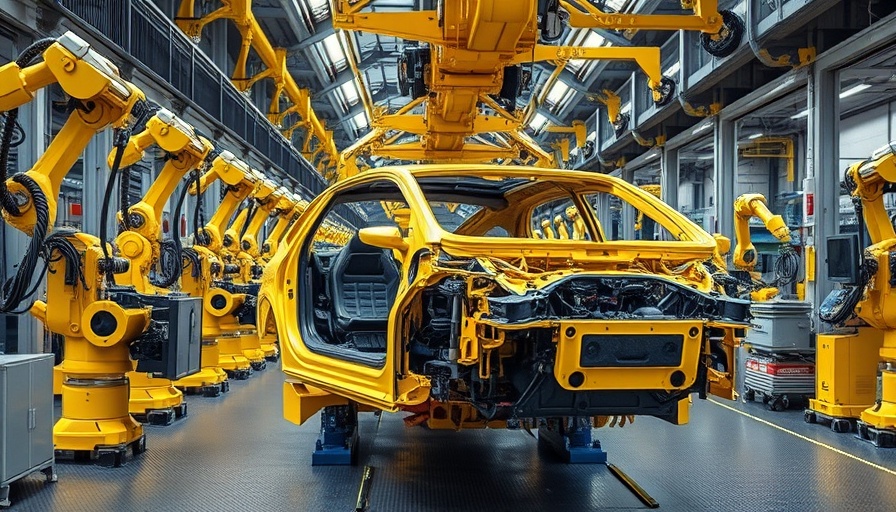
Automotive production assembly line with unfinished car chassis in factory.

The Landscape of Global Automotive Production in 2024

As 2024 approaches, the global automotive industry appears poised for stable production output. This consistency in output offers a measure of comfort to key stakeholders, including dealership principals and general managers eager to navigate the uncertainties that have characterized recent years. However, while the overarching trend suggests stability, significant shifts, particularly within the European market, underscore a more complex narrative.

Europe's Evolving Role in Automotive Production

European automakers find themselves at a crossroads as they grapple with a shifting landscape influenced by rapid technological advancements and varying regulatory pressures. From emissions standards to the push for electric vehicles, the pressures are mounting for manufacturers to innovate or risk falling behind. These changes are not just internal; they also affect supply chains and market dynamics across the globe.

Shifts in Consumer Demand: The Electric Vehicle Surge

The surge in demand for electric vehicles (EVs) is reshaping how manufacturers strategize for production. While the transition spells opportunity for some, it also introduces challenges for dealers accustomed to traditional combustion engine models. Dealerships need to adapt their operational strategies and sales approaches to accommodate a burgeoning EV market, which includes understanding new financing structures and consumer education initiatives.

Impact on Dealerships and Operations

For dealership principals and fixed ops directors, understanding these production shifts is crucial. A stable global output means fewer disruptions, but the evolving demands from consumers—especially regarding sustainability and technology—require proactive adaptations. This includes considering the financing options available for EVs and understanding how to effectively communicate these options to customers.

The Future of Mobility and Its Implications

As the automotive landscape continues to change, the implications for mobility are immense. Dealerships must anticipate the need for innovative solutions and remain agile in a competitive market. Investment in training staff to navigate the complexities of EVs, coupled with updated financing options, will be vital to maintain profitability.

Concluding Thoughts on the Automotive Shift

Overall, while 2024 promises a level of stability in global automotive output, the unique changes in Europe, especially related to EVs and consumer preferences, signal a shift worth watching. Dealerships equipped with the right knowledge and strategies will not only survive but thrive in this evolving environment.

Extra News

10 Views

0 Comments

Write A Comment

*
*
Please complete the captcha to submit your comment.
Related Posts All Posts
07.12.2026

Transforming Automotive Services: Insights from the Big Idea Pod-Cast

Update Understanding the Shifting Landscape of Automotive Repair In today’s automotive industry, the way cars are repaired is evolving rapidly, influenced by advancements in technology, changes in consumer behavior, and new regulatory requirements. For car dealership owners and general managers, understanding these shifts is crucial for remaining competitive in the market.In 'The Big Idea Pod-Cast Epi. 76', the discussion explores the evolving automotive repair landscape, prompting a deeper dive into its implications for car dealerships. Technological Innovations Reshaping Auto Body Repair Technologies like advanced diagnostic tools, enhanced paint systems, and even artificial intelligence are revolutionizing auto body repair. For instance, many automotive body repair shops now utilize digital imaging to assess damage and provide accurate car body repair quotes online. This not only streamlines the repair process but also enhances the customer experience, allowing consumers to receive estimates without the hassle of an in-person visit. The Importance of Reliable Local Shops As consumers become more aware of their options, finding trustworthy local auto body shops has never been more critical. Car dealerships can forge partnerships with respected automotive body repair shops to offer customers integrated services, such as paint repair for cars and auto dent repair estimates. Building these local connections can aid in customer retention and boost sales for both parties. Insight into Auto Repair Costs A crucial aspect of running an automotive business is understanding the auto dent repair cost and the factors that contribute to it. Prices can fluctuate based on the severity of the damage, the types of tools for auto body repair needed, and the repairs required. Educating customers about these costs can increase their trust in your dealership’s services, ultimately driving sales. Strategies for Managing Customer Expectations It’s essential for dealership managers to communicate clearly about the timeline and costs involved in repairs. By providing detailed estimates and being transparent about what repairs entail, dealerships can foster stronger relationships with customers. This approach not only minimizes misunderstandings but also encourages repeat business. Future Trends in Automotive Repair Looking ahead, the automotive industry should brace for continued innovations, such as the utilization of eco-friendly materials in body repair. Car dealers who engage with these trends early can differentiate themselves in the market, providing value-driven experiences that consumers increasingly demand. As highlighted in the video, "The Big Idea Pod-Cast Epi. 76," the conversation reflects the ongoing changes in car repair and the need for dealers to adapt to maintain their edge in the market. Understanding the role of technology and building strong service partnerships are just two of the critical areas to focus on.

07.10.2026

Understanding the Trade-In Paradox: Boosting Dealership Profitability

Update The Trade-In Paradox: Navigating Used Car Values As car dealership owners and general managers, understanding the dynamics of trade-in values is crucial for optimizing your used car inventory. The trade-in paradox highlights an interesting dilemma in today's automotive market, where factors such as economic volatility, consumer behavior, and inventory shortages lead to fluctuating vehicle values. How do you find the balance between offering fair trade-in values to customers while also ensuring profitability for your dealership? Why Trade-In Values are Essential Trade-in values significantly affect customer satisfaction and the overall sales experience. When customers feel they receive a fair deal for their trade-in, they are more likely to return to your dealership for future purchases and refer friends and family. Conversely, perceived unfair trade-in values can drive potential buyers to competitors. The Impact of Subprime Loans on Vehicle Valuation Another layer to this paradox includes the role of subprime loans in assessing vehicle value. With many consumers turning to subprime financing options, dealerships must become adept at evaluating trade-in vehicles without letting financing structures cloud their judgments. Offering competitive trade-in values, even amidst complicated financing scenarios, ensures a robust sales environment. Future Trends in Automotive Trade-Ins Looking into the future, the trends around trade-ins suggest a shift towards technology, with automated online courses and digital business tools enhancing dealership operations. By utilizing an automotive training center or online automotive classes, dealerships can better equip their sales teams to navigate the complexities of used car values effectively. Strategies to Enhance Trade-In Processes To move forward, dealerships should consider implementing more structured trade-in evaluation processes. This can include embracing online platforms that streamline trade-in assessments and transparency. Engaging customers through digital tools not only fosters trust but also ensures they have a better understanding of what their vehicle is worth. Making Informed Decisions with Trade-Ins Dealerships can enhance their profitability and customer relationships by staying informed about market trends, which include more widespread acceptance of auto sales training methods. Strong training programs can empower your staff to conduct fair evaluations, combat misconceptions about used vehicles, and provide each customer with solid reasons for their trade-in offers. In an increasingly digital landscape, where used car sales are evolving, keeping a pulse on auto F&I trends and transforming your trade-in strategies will not just retain customers but expand your dealership’s reach. What Does This Mean for Your Dealership? As we move to modernize how we approach used car sales, understanding the trade-in paradox is vital. Consider reviewing your current automotive training programs and implementing new ideas to meet your customers’ needs. For more information on improving your trade-in processes and enhancing customer satisfaction, call (860) 707-9125.

07.10.2026

How Embracing Robots Can Transform Car Dealerships Today

Update The Rise of Automation in the Automotive IndustryMore companies in the automotive industry are turning to automation to streamline their production processes. The embrace of robots is reshaping how cars are manufactured, making it faster, safer, and often more cost-effective. As car sales continue to fluctuate, manufacturers see automation as a way to improve efficiency and stay competitive in a rapidly changing market.Why Robotics Matter for Car DealershipsFor car dealership owners and general managers, the integration of robotics impacts more than just the production line. It presents opportunities for enhanced sales training and consumer engagement. This shift focuses on not only manufacturing but also how cars are sold. Retailers can harness the power of digital business cars, coupling automated systems with effective sales tactics for higher profit margins.Adapting to New Technology with TrainingAs automation becomes more prevalent, the need for advanced automotive training is essential. Programs like automotive classes online and car training days are valuable resources for dealership staff. By investing in auto sales training, employees will be better equipped to understand and leverage new robotic technology and digital platforms.Customer Expectations and the Future of Car SalesIn this era of digital business, customers expect more transparency and efficiency. As dealerships traditionally rely on manual processes, integrating automated online courses and resources can enhance their offerings. This can lead to better customer satisfaction and loyalty, crucial elements in a market where subprime loans for cars are becoming more common due to rising interest rates.Staying Ahead of the CurveWith every advancement in technology, dealership owners must adapt to maintain competitive advantages. Understanding auto financing trends, such as auto F and I trends, will empower dealers to make informed decisions when optimizing their processes. Staying ahead requires continuous learning and adaptation, ensuring that dealership staff are prepared for the next wave of innovation.For more information on how to leverage these changes in the automotive sector, call: (860) 707-9125.

cropper
update
WorldPulse News
cropper
update

Write a small description of your business and the core features and benefits of your products.

  • update
  • update
  • update
  • update
  • update
  • update
  • update

COMPANY

  • Privacy Policy
  • Terms of Use
  • Advertise
  • Contact Us
  • Menu 5
  • Menu 6

123 456 7890

AVAILABLE FROM 8AM - 5PM

City, State

1234, Building, Street, City, State, Country

ABOUT US

Write a small description of your business and the core features and benefits of your products.

© 2024 CompanyName All Rights Reserved. Address . Contact Us . Terms of Service . Privacy Policy

Terms of Service

Privacy Policy

Core Modal Title

Sorry, no results found

You Might Find These Articles Interesting

T
Please Check Your Email
We Will Be Following Up Shortly
*
*
*